● BREAKING

QUICK10 FEED

Your Top 10 Daily Briefing • Continuously Updated

STORY 1 OF 10
India

Democracy in the Digital Age: A New Era

An in-depth look at how technology is reshaping the political landscape of India.

Editor
EditorEditor
April 3, 2026
City skyline with tall modern skyscrapers representing India's digital democratic future

Urban skyline representing India's digital democratic future. Photo: Unsplash

The Indian economy stands at a pivotal crossroads as policymakers grapple with the dual challenge of sustaining growth momentum while keeping inflation in check. The latest GDP figures, released by the Ministry of Statistics, paint a picture of resilience amid global uncertainty.

According to the data, India's gross domestic product grew at 7.2 percent in the latest quarter, surpassing most analyst expectations. This growth was primarily driven by robust performance in the services sector, which contributed over 55 percent of the total output, and a resurgent manufacturing sector buoyed by government incentives under the Production Linked Incentive scheme.

The Manufacturing Renaissance

India's manufacturing sector has shown remarkable vitality in recent quarters. The Purchasing Managers' Index (PMI) for manufacturing has remained above the 50-mark — indicating expansion — for eighteen consecutive months. This sustained expansion is the longest such streak in over a decade.

"We are witnessing a structural shift in India's manufacturing landscape," said Dr. Rajesh Kumar, Chief Economist at the National Institute of Public Finance and Policy. "The combination of PLI schemes, improved logistics infrastructure, and competitive labour costs is creating a compelling proposition for both domestic and foreign manufacturers."

Advertisement

The electronics manufacturing sector, in particular, has seen exponential growth. India's smartphone production has quadrupled over the past five years, with the country now being the world's second-largest manufacturer of mobile devices. Major global brands have established significant production facilities, taking advantage of the government's phased manufacturing programme.

Inflation: The Persistent Challenge

While growth figures provide cause for optimism, inflation continues to demand vigilant monetary policy. The Consumer Price Index (CPI) based inflation rate has fluctuated between 4.5 and 6.5 percent over the past year, occasionally breaching the Reserve Bank of India's upper tolerance band of 6 percent.

Food inflation, driven by erratic monsoon patterns and supply chain disruptions, has been particularly volatile. Vegetable prices, which carry significant weight in the consumption basket of lower-income households, have seen sharp spikes that disproportionately affect the most vulnerable segments of the population.

The RBI's Tightrope Walk

The Reserve Bank of India finds itself in a delicate balancing act. Governor Shaktikanta Das has repeatedly emphasized the central bank's commitment to maintaining price stability while supporting growth. The monetary policy committee has maintained the repo rate at its current level for the past three meetings, signalling a cautious approach.

Advertisement

Analysts are divided on the path forward. Some argue that the central bank should cut rates to stimulate investment and consumption, particularly in interest-rate-sensitive sectors like real estate and automobiles. Others contend that premature easing could reignite inflationary pressures and undermine the hard-won credibility of the inflation-targeting framework.

The global monetary policy landscape adds another layer of complexity. With the US Federal Reserve maintaining higher rates for longer than initially anticipated, aggressive easing by the RBI could widen the interest rate differential, potentially triggering capital outflows and putting pressure on the rupee.

The Investment Boom

Perhaps the most encouraging aspect of India's current economic trajectory is the revival in investment activity. Gross fixed capital formation — a key measure of investment — has grown at over 10 percent in real terms, driven by a substantial increase in government capital expenditure.

The government's infrastructure push has been particularly transformative. Road construction has reached record levels, with the National Highways Authority of India completing over 12,000 kilometers of highways in the current fiscal year. The dedicated freight corridor network, when fully operational, is expected to significantly reduce logistics costs and improve the competitiveness of Indian exports.

Advertisement

Private investment, which had been sluggish for several years, is also showing signs of revival. Corporate balance sheets have been significantly deleveraged, and capacity utilisation levels have crossed the threshold that typically triggers new investment. Several large-scale projects in sectors such as green energy, semiconductors, and data centres have been announced in recent months.

SHARE STORY
STORY 2 OF 10
Business

Major Corporate Merger Announced Between Tech Giants

The unexpected alliance is set to create a new monopoly in the cloud computing sector.

DI Desk
DI DeskEditorial Team
April 3, 2026
Modern corporate skyscrapers

Corporate towers representing the merger. Photo: Unsplash

The Indian economy stands at a pivotal crossroads as policymakers grapple with the dual challenge of sustaining growth momentum while keeping inflation in check. The latest GDP figures, released by the Ministry of Statistics, paint a picture of resilience amid global uncertainty.

According to the data, India's gross domestic product grew at 7.2 percent in the latest quarter, surpassing most analyst expectations. This growth was primarily driven by robust performance in the services sector, which contributed over 55 percent of the total output, and a resurgent manufacturing sector buoyed by government incentives under the Production Linked Incentive scheme.

The Manufacturing Renaissance

India's manufacturing sector has shown remarkable vitality in recent quarters. The Purchasing Managers' Index (PMI) for manufacturing has remained above the 50-mark — indicating expansion — for eighteen consecutive months. This sustained expansion is the longest such streak in over a decade.

"We are witnessing a structural shift in India's manufacturing landscape," said Dr. Rajesh Kumar, Chief Economist at the National Institute of Public Finance and Policy. "The combination of PLI schemes, improved logistics infrastructure, and competitive labour costs is creating a compelling proposition for both domestic and foreign manufacturers."

Advertisement

The electronics manufacturing sector, in particular, has seen exponential growth. India's smartphone production has quadrupled over the past five years, with the country now being the world's second-largest manufacturer of mobile devices. Major global brands have established significant production facilities, taking advantage of the government's phased manufacturing programme.

Inflation: The Persistent Challenge

While growth figures provide cause for optimism, inflation continues to demand vigilant monetary policy. The Consumer Price Index (CPI) based inflation rate has fluctuated between 4.5 and 6.5 percent over the past year, occasionally breaching the Reserve Bank of India's upper tolerance band of 6 percent.

Food inflation, driven by erratic monsoon patterns and supply chain disruptions, has been particularly volatile. Vegetable prices, which carry significant weight in the consumption basket of lower-income households, have seen sharp spikes that disproportionately affect the most vulnerable segments of the population.

The RBI's Tightrope Walk

The Reserve Bank of India finds itself in a delicate balancing act. Governor Shaktikanta Das has repeatedly emphasized the central bank's commitment to maintaining price stability while supporting growth. The monetary policy committee has maintained the repo rate at its current level for the past three meetings, signalling a cautious approach.

Advertisement

Analysts are divided on the path forward. Some argue that the central bank should cut rates to stimulate investment and consumption, particularly in interest-rate-sensitive sectors like real estate and automobiles. Others contend that premature easing could reignite inflationary pressures and undermine the hard-won credibility of the inflation-targeting framework.

The global monetary policy landscape adds another layer of complexity. With the US Federal Reserve maintaining higher rates for longer than initially anticipated, aggressive easing by the RBI could widen the interest rate differential, potentially triggering capital outflows and putting pressure on the rupee.

The Investment Boom

Perhaps the most encouraging aspect of India's current economic trajectory is the revival in investment activity. Gross fixed capital formation — a key measure of investment — has grown at over 10 percent in real terms, driven by a substantial increase in government capital expenditure.

The government's infrastructure push has been particularly transformative. Road construction has reached record levels, with the National Highways Authority of India completing over 12,000 kilometers of highways in the current fiscal year. The dedicated freight corridor network, when fully operational, is expected to significantly reduce logistics costs and improve the competitiveness of Indian exports.

Advertisement

Private investment, which had been sluggish for several years, is also showing signs of revival. Corporate balance sheets have been significantly deleveraged, and capacity utilisation levels have crossed the threshold that typically triggers new investment. Several large-scale projects in sectors such as green energy, semiconductors, and data centres have been announced in recent months.
SHARE STORY
STORY 3 OF 10
Business

Rupee Strengthens Against Dollar in Unexpected Turn

The Indian rupee surged unexpectedly against the US dollar amid global currency realignments.

DI Desk
DI DeskEditorial Team
April 3, 2026
Indian rupee currency coins and financial data charts

Currency exchange and Indian rupee financial data. Photo: Unsplash

The Indian economy stands at a pivotal crossroads as policymakers grapple with the dual challenge of sustaining growth momentum while keeping inflation in check. The latest GDP figures, released by the Ministry of Statistics, paint a picture of resilience amid global uncertainty.

According to the data, India's gross domestic product grew at 7.2 percent in the latest quarter, surpassing most analyst expectations. This growth was primarily driven by robust performance in the services sector, which contributed over 55 percent of the total output, and a resurgent manufacturing sector buoyed by government incentives under the Production Linked Incentive scheme.

The Manufacturing Renaissance

India's manufacturing sector has shown remarkable vitality in recent quarters. The Purchasing Managers' Index (PMI) for manufacturing has remained above the 50-mark — indicating expansion — for eighteen consecutive months. This sustained expansion is the longest such streak in over a decade.

"We are witnessing a structural shift in India's manufacturing landscape," said Dr. Rajesh Kumar, Chief Economist at the National Institute of Public Finance and Policy. "The combination of PLI schemes, improved logistics infrastructure, and competitive labour costs is creating a compelling proposition for both domestic and foreign manufacturers."

Advertisement

The electronics manufacturing sector, in particular, has seen exponential growth. India's smartphone production has quadrupled over the past five years, with the country now being the world's second-largest manufacturer of mobile devices. Major global brands have established significant production facilities, taking advantage of the government's phased manufacturing programme.

Inflation: The Persistent Challenge

While growth figures provide cause for optimism, inflation continues to demand vigilant monetary policy. The Consumer Price Index (CPI) based inflation rate has fluctuated between 4.5 and 6.5 percent over the past year, occasionally breaching the Reserve Bank of India's upper tolerance band of 6 percent.

Food inflation, driven by erratic monsoon patterns and supply chain disruptions, has been particularly volatile. Vegetable prices, which carry significant weight in the consumption basket of lower-income households, have seen sharp spikes that disproportionately affect the most vulnerable segments of the population.

The RBI's Tightrope Walk

The Reserve Bank of India finds itself in a delicate balancing act. Governor Shaktikanta Das has repeatedly emphasized the central bank's commitment to maintaining price stability while supporting growth. The monetary policy committee has maintained the repo rate at its current level for the past three meetings, signalling a cautious approach.

Advertisement

Analysts are divided on the path forward. Some argue that the central bank should cut rates to stimulate investment and consumption, particularly in interest-rate-sensitive sectors like real estate and automobiles. Others contend that premature easing could reignite inflationary pressures and undermine the hard-won credibility of the inflation-targeting framework.

The global monetary policy landscape adds another layer of complexity. With the US Federal Reserve maintaining higher rates for longer than initially anticipated, aggressive easing by the RBI could widen the interest rate differential, potentially triggering capital outflows and putting pressure on the rupee.

The Investment Boom

Perhaps the most encouraging aspect of India's current economic trajectory is the revival in investment activity. Gross fixed capital formation — a key measure of investment — has grown at over 10 percent in real terms, driven by a substantial increase in government capital expenditure.

The government's infrastructure push has been particularly transformative. Road construction has reached record levels, with the National Highways Authority of India completing over 12,000 kilometers of highways in the current fiscal year. The dedicated freight corridor network, when fully operational, is expected to significantly reduce logistics costs and improve the competitiveness of Indian exports.

Advertisement

Private investment, which had been sluggish for several years, is also showing signs of revival. Corporate balance sheets have been significantly deleveraged, and capacity utilisation levels have crossed the threshold that typically triggers new investment. Several large-scale projects in sectors such as green energy, semiconductors, and data centres have been announced in recent months.

SHARE STORY
STORY 4 OF 10
Technology

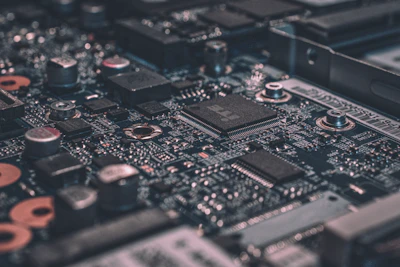
Next-Gen Semiconductors Show Unprecedented Efficiency

Researchers have unveiled a new microchip architecture that consumes 50% less power while doubling processing speeds.

Editor
EditorEditor
April 3, 2026
Closeup of microchip technology

Microchip closeup. Photo: Unsplash

The Indian economy stands at a pivotal crossroads as policymakers grapple with the dual challenge of sustaining growth momentum while keeping inflation in check. The latest GDP figures, released by the Ministry of Statistics, paint a picture of resilience amid global uncertainty.

According to the data, India's gross domestic product grew at 7.2 percent in the latest quarter, surpassing most analyst expectations. This growth was primarily driven by robust performance in the services sector, which contributed over 55 percent of the total output, and a resurgent manufacturing sector buoyed by government incentives under the Production Linked Incentive scheme.

The Manufacturing Renaissance

India's manufacturing sector has shown remarkable vitality in recent quarters. The Purchasing Managers' Index (PMI) for manufacturing has remained above the 50-mark — indicating expansion — for eighteen consecutive months. This sustained expansion is the longest such streak in over a decade.

"We are witnessing a structural shift in India's manufacturing landscape," said Dr. Rajesh Kumar, Chief Economist at the National Institute of Public Finance and Policy. "The combination of PLI schemes, improved logistics infrastructure, and competitive labour costs is creating a compelling proposition for both domestic and foreign manufacturers."

Advertisement

The electronics manufacturing sector, in particular, has seen exponential growth. India's smartphone production has quadrupled over the past five years, with the country now being the world's second-largest manufacturer of mobile devices. Major global brands have established significant production facilities, taking advantage of the government's phased manufacturing programme.

Inflation: The Persistent Challenge

While growth figures provide cause for optimism, inflation continues to demand vigilant monetary policy. The Consumer Price Index (CPI) based inflation rate has fluctuated between 4.5 and 6.5 percent over the past year, occasionally breaching the Reserve Bank of India's upper tolerance band of 6 percent.

Food inflation, driven by erratic monsoon patterns and supply chain disruptions, has been particularly volatile. Vegetable prices, which carry significant weight in the consumption basket of lower-income households, have seen sharp spikes that disproportionately affect the most vulnerable segments of the population.

The RBI's Tightrope Walk

The Reserve Bank of India finds itself in a delicate balancing act. Governor Shaktikanta Das has repeatedly emphasized the central bank's commitment to maintaining price stability while supporting growth. The monetary policy committee has maintained the repo rate at its current level for the past three meetings, signalling a cautious approach.

Advertisement

Analysts are divided on the path forward. Some argue that the central bank should cut rates to stimulate investment and consumption, particularly in interest-rate-sensitive sectors like real estate and automobiles. Others contend that premature easing could reignite inflationary pressures and undermine the hard-won credibility of the inflation-targeting framework.

The global monetary policy landscape adds another layer of complexity. With the US Federal Reserve maintaining higher rates for longer than initially anticipated, aggressive easing by the RBI could widen the interest rate differential, potentially triggering capital outflows and putting pressure on the rupee.

The Investment Boom

Perhaps the most encouraging aspect of India's current economic trajectory is the revival in investment activity. Gross fixed capital formation — a key measure of investment — has grown at over 10 percent in real terms, driven by a substantial increase in government capital expenditure.

The government's infrastructure push has been particularly transformative. Road construction has reached record levels, with the National Highways Authority of India completing over 12,000 kilometers of highways in the current fiscal year. The dedicated freight corridor network, when fully operational, is expected to significantly reduce logistics costs and improve the competitiveness of Indian exports.

Advertisement

Private investment, which had been sluggish for several years, is also showing signs of revival. Corporate balance sheets have been significantly deleveraged, and capacity utilisation levels have crossed the threshold that typically triggers new investment. Several large-scale projects in sectors such as green energy, semiconductors, and data centres have been announced in recent months.

SHARE STORY
STORY 5 OF 10
Technology

Tech Giants Face New Data Regulations

Government introduces strict data privacy laws impacting major tech firms and user rights.

Editor
EditorEditor
April 2, 2026
Professional woman working on a laptop in a modern office representing tech regulation

Woman working on a laptop representing India's tech regulation landscape. Photo: Unsplash

The Indian economy stands at a pivotal crossroads as policymakers grapple with the dual challenge of sustaining growth momentum while keeping inflation in check. The latest GDP figures, released by the Ministry of Statistics, paint a picture of resilience amid global uncertainty.

According to the data, India's gross domestic product grew at 7.2 percent in the latest quarter, surpassing most analyst expectations. This growth was primarily driven by robust performance in the services sector, which contributed over 55 percent of the total output, and a resurgent manufacturing sector buoyed by government incentives under the Production Linked Incentive scheme.

The Manufacturing Renaissance

India's manufacturing sector has shown remarkable vitality in recent quarters. The Purchasing Managers' Index (PMI) for manufacturing has remained above the 50-mark — indicating expansion — for eighteen consecutive months. This sustained expansion is the longest such streak in over a decade.

"We are witnessing a structural shift in India's manufacturing landscape," said Dr. Rajesh Kumar, Chief Economist at the National Institute of Public Finance and Policy. "The combination of PLI schemes, improved logistics infrastructure, and competitive labour costs is creating a compelling proposition for both domestic and foreign manufacturers."

Advertisement

The electronics manufacturing sector, in particular, has seen exponential growth. India's smartphone production has quadrupled over the past five years, with the country now being the world's second-largest manufacturer of mobile devices. Major global brands have established significant production facilities, taking advantage of the government's phased manufacturing programme.

Inflation: The Persistent Challenge

While growth figures provide cause for optimism, inflation continues to demand vigilant monetary policy. The Consumer Price Index (CPI) based inflation rate has fluctuated between 4.5 and 6.5 percent over the past year, occasionally breaching the Reserve Bank of India's upper tolerance band of 6 percent.

Food inflation, driven by erratic monsoon patterns and supply chain disruptions, has been particularly volatile. Vegetable prices, which carry significant weight in the consumption basket of lower-income households, have seen sharp spikes that disproportionately affect the most vulnerable segments of the population.

The RBI's Tightrope Walk

The Reserve Bank of India finds itself in a delicate balancing act. Governor Shaktikanta Das has repeatedly emphasized the central bank's commitment to maintaining price stability while supporting growth. The monetary policy committee has maintained the repo rate at its current level for the past three meetings, signalling a cautious approach.

Advertisement

Analysts are divided on the path forward. Some argue that the central bank should cut rates to stimulate investment and consumption, particularly in interest-rate-sensitive sectors like real estate and automobiles. Others contend that premature easing could reignite inflationary pressures and undermine the hard-won credibility of the inflation-targeting framework.

The global monetary policy landscape adds another layer of complexity. With the US Federal Reserve maintaining higher rates for longer than initially anticipated, aggressive easing by the RBI could widen the interest rate differential, potentially triggering capital outflows and putting pressure on the rupee.

The Investment Boom

Perhaps the most encouraging aspect of India's current economic trajectory is the revival in investment activity. Gross fixed capital formation — a key measure of investment — has grown at over 10 percent in real terms, driven by a substantial increase in government capital expenditure.

The government's infrastructure push has been particularly transformative. Road construction has reached record levels, with the National Highways Authority of India completing over 12,000 kilometers of highways in the current fiscal year. The dedicated freight corridor network, when fully operational, is expected to significantly reduce logistics costs and improve the competitiveness of Indian exports.

Advertisement

Private investment, which had been sluggish for several years, is also showing signs of revival. Corporate balance sheets have been significantly deleveraged, and capacity utilisation levels have crossed the threshold that typically triggers new investment. Several large-scale projects in sectors such as green energy, semiconductors, and data centres have been announced in recent months.

SHARE STORY
STORY 6 OF 10
Sports

National Team Qualifies for World Cup After Dramatic Finish

A penalty kick in the final seconds of stoppage time secured the team's spot in the upcoming global tournament.

Editor
EditorEditor
April 3, 2026
Football match action

Football action shot. Photo: Unsplash

The Indian economy stands at a pivotal crossroads as policymakers grapple with the dual challenge of sustaining growth momentum while keeping inflation in check. The latest GDP figures, released by the Ministry of Statistics, paint a picture of resilience amid global uncertainty.

According to the data, India's gross domestic product grew at 7.2 percent in the latest quarter, surpassing most analyst expectations. This growth was primarily driven by robust performance in the services sector, which contributed over 55 percent of the total output, and a resurgent manufacturing sector buoyed by government incentives under the Production Linked Incentive scheme.

The Manufacturing Renaissance

India's manufacturing sector has shown remarkable vitality in recent quarters. The Purchasing Managers' Index (PMI) for manufacturing has remained above the 50-mark — indicating expansion — for eighteen consecutive months. This sustained expansion is the longest such streak in over a decade.

"We are witnessing a structural shift in India's manufacturing landscape," said Dr. Rajesh Kumar, Chief Economist at the National Institute of Public Finance and Policy. "The combination of PLI schemes, improved logistics infrastructure, and competitive labour costs is creating a compelling proposition for both domestic and foreign manufacturers."

Advertisement

The electronics manufacturing sector, in particular, has seen exponential growth. India's smartphone production has quadrupled over the past five years, with the country now being the world's second-largest manufacturer of mobile devices. Major global brands have established significant production facilities, taking advantage of the government's phased manufacturing programme.

Inflation: The Persistent Challenge

While growth figures provide cause for optimism, inflation continues to demand vigilant monetary policy. The Consumer Price Index (CPI) based inflation rate has fluctuated between 4.5 and 6.5 percent over the past year, occasionally breaching the Reserve Bank of India's upper tolerance band of 6 percent.

Food inflation, driven by erratic monsoon patterns and supply chain disruptions, has been particularly volatile. Vegetable prices, which carry significant weight in the consumption basket of lower-income households, have seen sharp spikes that disproportionately affect the most vulnerable segments of the population.

The RBI's Tightrope Walk

The Reserve Bank of India finds itself in a delicate balancing act. Governor Shaktikanta Das has repeatedly emphasized the central bank's commitment to maintaining price stability while supporting growth. The monetary policy committee has maintained the repo rate at its current level for the past three meetings, signalling a cautious approach.

Advertisement

Analysts are divided on the path forward. Some argue that the central bank should cut rates to stimulate investment and consumption, particularly in interest-rate-sensitive sectors like real estate and automobiles. Others contend that premature easing could reignite inflationary pressures and undermine the hard-won credibility of the inflation-targeting framework.

The global monetary policy landscape adds another layer of complexity. With the US Federal Reserve maintaining higher rates for longer than initially anticipated, aggressive easing by the RBI could widen the interest rate differential, potentially triggering capital outflows and putting pressure on the rupee.

The Investment Boom

Perhaps the most encouraging aspect of India's current economic trajectory is the revival in investment activity. Gross fixed capital formation — a key measure of investment — has grown at over 10 percent in real terms, driven by a substantial increase in government capital expenditure.

The government's infrastructure push has been particularly transformative. Road construction has reached record levels, with the National Highways Authority of India completing over 12,000 kilometers of highways in the current fiscal year. The dedicated freight corridor network, when fully operational, is expected to significantly reduce logistics costs and improve the competitiveness of Indian exports.

Advertisement

Private investment, which had been sluggish for several years, is also showing signs of revival. Corporate balance sheets have been significantly deleveraged, and capacity utilisation levels have crossed the threshold that typically triggers new investment. Several large-scale projects in sectors such as green energy, semiconductors, and data centres have been announced in recent months.

SHARE STORY
STORY 7 OF 10
Sports

IPL 2026 Auction: Record-Breaking Bids Shake Up Fantasy Leagues

Multiple franchises shattered records with aggressive bidding strategies for marquee international players.

Editor
EditorEditor
April 2, 2026
Cricket ball on stadium pitch

Cricket stadium. Photo: Unsplash

The Indian economy stands at a pivotal crossroads as policymakers grapple with the dual challenge of sustaining growth momentum while keeping inflation in check. The latest GDP figures, released by the Ministry of Statistics, paint a picture of resilience amid global uncertainty.

According to the data, India's gross domestic product grew at 7.2 percent in the latest quarter, surpassing most analyst expectations. This growth was primarily driven by robust performance in the services sector, which contributed over 55 percent of the total output, and a resurgent manufacturing sector buoyed by government incentives under the Production Linked Incentive scheme.

The Manufacturing Renaissance

India's manufacturing sector has shown remarkable vitality in recent quarters. The Purchasing Managers' Index (PMI) for manufacturing has remained above the 50-mark — indicating expansion — for eighteen consecutive months. This sustained expansion is the longest such streak in over a decade.

"We are witnessing a structural shift in India's manufacturing landscape," said Dr. Rajesh Kumar, Chief Economist at the National Institute of Public Finance and Policy. "The combination of PLI schemes, improved logistics infrastructure, and competitive labour costs is creating a compelling proposition for both domestic and foreign manufacturers."

Advertisement

The electronics manufacturing sector, in particular, has seen exponential growth. India's smartphone production has quadrupled over the past five years, with the country now being the world's second-largest manufacturer of mobile devices. Major global brands have established significant production facilities, taking advantage of the government's phased manufacturing programme.

Inflation: The Persistent Challenge

While growth figures provide cause for optimism, inflation continues to demand vigilant monetary policy. The Consumer Price Index (CPI) based inflation rate has fluctuated between 4.5 and 6.5 percent over the past year, occasionally breaching the Reserve Bank of India's upper tolerance band of 6 percent.

Food inflation, driven by erratic monsoon patterns and supply chain disruptions, has been particularly volatile. Vegetable prices, which carry significant weight in the consumption basket of lower-income households, have seen sharp spikes that disproportionately affect the most vulnerable segments of the population.

The RBI's Tightrope Walk

The Reserve Bank of India finds itself in a delicate balancing act. Governor Shaktikanta Das has repeatedly emphasized the central bank's commitment to maintaining price stability while supporting growth. The monetary policy committee has maintained the repo rate at its current level for the past three meetings, signalling a cautious approach.

Advertisement

Analysts are divided on the path forward. Some argue that the central bank should cut rates to stimulate investment and consumption, particularly in interest-rate-sensitive sectors like real estate and automobiles. Others contend that premature easing could reignite inflationary pressures and undermine the hard-won credibility of the inflation-targeting framework.

The global monetary policy landscape adds another layer of complexity. With the US Federal Reserve maintaining higher rates for longer than initially anticipated, aggressive easing by the RBI could widen the interest rate differential, potentially triggering capital outflows and putting pressure on the rupee.

The Investment Boom

Perhaps the most encouraging aspect of India's current economic trajectory is the revival in investment activity. Gross fixed capital formation — a key measure of investment — has grown at over 10 percent in real terms, driven by a substantial increase in government capital expenditure.

The government's infrastructure push has been particularly transformative. Road construction has reached record levels, with the National Highways Authority of India completing over 12,000 kilometers of highways in the current fiscal year. The dedicated freight corridor network, when fully operational, is expected to significantly reduce logistics costs and improve the competitiveness of Indian exports.

Advertisement

Private investment, which had been sluggish for several years, is also showing signs of revival. Corporate balance sheets have been significantly deleveraged, and capacity utilisation levels have crossed the threshold that typically triggers new investment. Several large-scale projects in sectors such as green energy, semiconductors, and data centres have been announced in recent months.

SHARE STORY
STORY 8 OF 10
Entertainment

Award-Winning Director Announces Final Film Project

After a career spanning over four decades, the acclaimed filmmaker stated this upcoming historical drama will be his swan song.

DI Desk
DI DeskEditorial Team
April 2, 2026
Film director on set

Film set. Photo: Unsplash

The Indian economy stands at a pivotal crossroads as policymakers grapple with the dual challenge of sustaining growth momentum while keeping inflation in check. The latest GDP figures, released by the Ministry of Statistics, paint a picture of resilience amid global uncertainty.

According to the data, India's gross domestic product grew at 7.2 percent in the latest quarter, surpassing most analyst expectations. This growth was primarily driven by robust performance in the services sector, which contributed over 55 percent of the total output, and a resurgent manufacturing sector buoyed by government incentives under the Production Linked Incentive scheme.

The Manufacturing Renaissance

India's manufacturing sector has shown remarkable vitality in recent quarters. The Purchasing Managers' Index (PMI) for manufacturing has remained above the 50-mark — indicating expansion — for eighteen consecutive months. This sustained expansion is the longest such streak in over a decade.

"We are witnessing a structural shift in India's manufacturing landscape," said Dr. Rajesh Kumar, Chief Economist at the National Institute of Public Finance and Policy. "The combination of PLI schemes, improved logistics infrastructure, and competitive labour costs is creating a compelling proposition for both domestic and foreign manufacturers."

Advertisement

The electronics manufacturing sector, in particular, has seen exponential growth. India's smartphone production has quadrupled over the past five years, with the country now being the world's second-largest manufacturer of mobile devices. Major global brands have established significant production facilities, taking advantage of the government's phased manufacturing programme.

Inflation: The Persistent Challenge

While growth figures provide cause for optimism, inflation continues to demand vigilant monetary policy. The Consumer Price Index (CPI) based inflation rate has fluctuated between 4.5 and 6.5 percent over the past year, occasionally breaching the Reserve Bank of India's upper tolerance band of 6 percent.

Food inflation, driven by erratic monsoon patterns and supply chain disruptions, has been particularly volatile. Vegetable prices, which carry significant weight in the consumption basket of lower-income households, have seen sharp spikes that disproportionately affect the most vulnerable segments of the population.

The RBI's Tightrope Walk

The Reserve Bank of India finds itself in a delicate balancing act. Governor Shaktikanta Das has repeatedly emphasized the central bank's commitment to maintaining price stability while supporting growth. The monetary policy committee has maintained the repo rate at its current level for the past three meetings, signalling a cautious approach.

Advertisement

Analysts are divided on the path forward. Some argue that the central bank should cut rates to stimulate investment and consumption, particularly in interest-rate-sensitive sectors like real estate and automobiles. Others contend that premature easing could reignite inflationary pressures and undermine the hard-won credibility of the inflation-targeting framework.

The global monetary policy landscape adds another layer of complexity. With the US Federal Reserve maintaining higher rates for longer than initially anticipated, aggressive easing by the RBI could widen the interest rate differential, potentially triggering capital outflows and putting pressure on the rupee.

The Investment Boom

Perhaps the most encouraging aspect of India's current economic trajectory is the revival in investment activity. Gross fixed capital formation — a key measure of investment — has grown at over 10 percent in real terms, driven by a substantial increase in government capital expenditure.

The government's infrastructure push has been particularly transformative. Road construction has reached record levels, with the National Highways Authority of India completing over 12,000 kilometers of highways in the current fiscal year. The dedicated freight corridor network, when fully operational, is expected to significantly reduce logistics costs and improve the competitiveness of Indian exports.

Advertisement

Private investment, which had been sluggish for several years, is also showing signs of revival. Corporate balance sheets have been significantly deleveraged, and capacity utilisation levels have crossed the threshold that typically triggers new investment. Several large-scale projects in sectors such as green energy, semiconductors, and data centres have been announced in recent months.

SHARE STORY
STORY 9 OF 10
World

Rising Sea Levels Threaten Coastal Communities Globally

A new UN report highlights the urgent need for infrastructure adaptations in coastal cities to prevent catastrophic flooding.

DI Desk
DI DeskEditorial Team
April 2, 2026
Beach and rising waters near coastal area

Coastal community at risk. Photo: Unsplash

The Indian economy stands at a pivotal crossroads as policymakers grapple with the dual challenge of sustaining growth momentum while keeping inflation in check. The latest GDP figures, released by the Ministry of Statistics, paint a picture of resilience amid global uncertainty.

According to the data, India's gross domestic product grew at 7.2 percent in the latest quarter, surpassing most analyst expectations. This growth was primarily driven by robust performance in the services sector, which contributed over 55 percent of the total output, and a resurgent manufacturing sector buoyed by government incentives under the Production Linked Incentive scheme.

The Manufacturing Renaissance

India's manufacturing sector has shown remarkable vitality in recent quarters. The Purchasing Managers' Index (PMI) for manufacturing has remained above the 50-mark — indicating expansion — for eighteen consecutive months. This sustained expansion is the longest such streak in over a decade.

"We are witnessing a structural shift in India's manufacturing landscape," said Dr. Rajesh Kumar, Chief Economist at the National Institute of Public Finance and Policy. "The combination of PLI schemes, improved logistics infrastructure, and competitive labour costs is creating a compelling proposition for both domestic and foreign manufacturers."

Advertisement

The electronics manufacturing sector, in particular, has seen exponential growth. India's smartphone production has quadrupled over the past five years, with the country now being the world's second-largest manufacturer of mobile devices. Major global brands have established significant production facilities, taking advantage of the government's phased manufacturing programme.

Inflation: The Persistent Challenge

While growth figures provide cause for optimism, inflation continues to demand vigilant monetary policy. The Consumer Price Index (CPI) based inflation rate has fluctuated between 4.5 and 6.5 percent over the past year, occasionally breaching the Reserve Bank of India's upper tolerance band of 6 percent.

Food inflation, driven by erratic monsoon patterns and supply chain disruptions, has been particularly volatile. Vegetable prices, which carry significant weight in the consumption basket of lower-income households, have seen sharp spikes that disproportionately affect the most vulnerable segments of the population.

The RBI's Tightrope Walk

The Reserve Bank of India finds itself in a delicate balancing act. Governor Shaktikanta Das has repeatedly emphasized the central bank's commitment to maintaining price stability while supporting growth. The monetary policy committee has maintained the repo rate at its current level for the past three meetings, signalling a cautious approach.

Advertisement

Analysts are divided on the path forward. Some argue that the central bank should cut rates to stimulate investment and consumption, particularly in interest-rate-sensitive sectors like real estate and automobiles. Others contend that premature easing could reignite inflationary pressures and undermine the hard-won credibility of the inflation-targeting framework.

The global monetary policy landscape adds another layer of complexity. With the US Federal Reserve maintaining higher rates for longer than initially anticipated, aggressive easing by the RBI could widen the interest rate differential, potentially triggering capital outflows and putting pressure on the rupee.

The Investment Boom

Perhaps the most encouraging aspect of India's current economic trajectory is the revival in investment activity. Gross fixed capital formation — a key measure of investment — has grown at over 10 percent in real terms, driven by a substantial increase in government capital expenditure.

The government's infrastructure push has been particularly transformative. Road construction has reached record levels, with the National Highways Authority of India completing over 12,000 kilometers of highways in the current fiscal year. The dedicated freight corridor network, when fully operational, is expected to significantly reduce logistics costs and improve the competitiveness of Indian exports.

Advertisement

Private investment, which had been sluggish for several years, is also showing signs of revival. Corporate balance sheets have been significantly deleveraged, and capacity utilisation levels have crossed the threshold that typically triggers new investment. Several large-scale projects in sectors such as green energy, semiconductors, and data centres have been announced in recent months.

SHARE STORY
STORY 10 OF 10
Markets

Sensex Hits Record High Amid Global Shifts

Economic shifts drive unprecedented growth in the stock market, creating new opportunities for retail investors.

DI Desk
DI DeskEditorial Team
April 3, 2026
Financial market trading screen showing Sensex

Sensex chart showing record high. Photo: Unsplash

The Indian economy stands at a pivotal crossroads as policymakers grapple with the dual challenge of sustaining growth momentum while keeping inflation in check. The latest GDP figures, released by the Ministry of Statistics, paint a picture of resilience amid global uncertainty.

According to the data, India's gross domestic product grew at 7.2 percent in the latest quarter, surpassing most analyst expectations. This growth was primarily driven by robust performance in the services sector, which contributed over 55 percent of the total output, and a resurgent manufacturing sector buoyed by government incentives under the Production Linked Incentive scheme.

The Manufacturing Renaissance

India's manufacturing sector has shown remarkable vitality in recent quarters. The Purchasing Managers' Index (PMI) for manufacturing has remained above the 50-mark — indicating expansion — for eighteen consecutive months. This sustained expansion is the longest such streak in over a decade.

"We are witnessing a structural shift in India's manufacturing landscape," said Dr. Rajesh Kumar, Chief Economist at the National Institute of Public Finance and Policy. "The combination of PLI schemes, improved logistics infrastructure, and competitive labour costs is creating a compelling proposition for both domestic and foreign manufacturers."

Advertisement

The electronics manufacturing sector, in particular, has seen exponential growth. India's smartphone production has quadrupled over the past five years, with the country now being the world's second-largest manufacturer of mobile devices. Major global brands have established significant production facilities, taking advantage of the government's phased manufacturing programme.

Inflation: The Persistent Challenge

While growth figures provide cause for optimism, inflation continues to demand vigilant monetary policy. The Consumer Price Index (CPI) based inflation rate has fluctuated between 4.5 and 6.5 percent over the past year, occasionally breaching the Reserve Bank of India's upper tolerance band of 6 percent.

Food inflation, driven by erratic monsoon patterns and supply chain disruptions, has been particularly volatile. Vegetable prices, which carry significant weight in the consumption basket of lower-income households, have seen sharp spikes that disproportionately affect the most vulnerable segments of the population.

The RBI's Tightrope Walk

The Reserve Bank of India finds itself in a delicate balancing act. Governor Shaktikanta Das has repeatedly emphasized the central bank's commitment to maintaining price stability while supporting growth. The monetary policy committee has maintained the repo rate at its current level for the past three meetings, signalling a cautious approach.

Advertisement

Analysts are divided on the path forward. Some argue that the central bank should cut rates to stimulate investment and consumption, particularly in interest-rate-sensitive sectors like real estate and automobiles. Others contend that premature easing could reignite inflationary pressures and undermine the hard-won credibility of the inflation-targeting framework.

The global monetary policy landscape adds another layer of complexity. With the US Federal Reserve maintaining higher rates for longer than initially anticipated, aggressive easing by the RBI could widen the interest rate differential, potentially triggering capital outflows and putting pressure on the rupee.

The Investment Boom

Perhaps the most encouraging aspect of India's current economic trajectory is the revival in investment activity. Gross fixed capital formation — a key measure of investment — has grown at over 10 percent in real terms, driven by a substantial increase in government capital expenditure.

The government's infrastructure push has been particularly transformative. Road construction has reached record levels, with the National Highways Authority of India completing over 12,000 kilometers of highways in the current fiscal year. The dedicated freight corridor network, when fully operational, is expected to significantly reduce logistics costs and improve the competitiveness of Indian exports.

Advertisement

Private investment, which had been sluggish for several years, is also showing signs of revival. Corporate balance sheets have been significantly deleveraged, and capacity utilisation levels have crossed the threshold that typically triggers new investment. Several large-scale projects in sectors such as green energy, semiconductors, and data centres have been announced in recent months.

SHARE STORY

You're All Caught Up

You've reached the end of today's Quick10 briefing. Check back later for fresh updates throughout the day.

Back to Home